Here I talk about the teamwork I go through, the organizational methods I use and the
research I did, for completing the given projects and other.
Photography Site User Test
Introduction
This research was made during the beginning of Project X, and it examines user interactions with a
low fidelity prototype of a photography website, focusing on tasks related to viewing specific
photos, hiring the photographer, and learning more about them.
Method
Three participants with varying familiarity with photography websites tested the prototype. Tasks
included viewing photos from 'category 2', hiring the photographer, and exploring the photographer's
background using wireframe prototypes.
Summary
The study highlighted usability issues such as navigation challenges and layout concerns.
Recommendations include adding photos to the landing page, incorporating a 'go back' button
on
category pages, showcasing recent work, and providing direct contact links.
Implementing these
improvements will enhance user experience in future iterations.
This research was made during the beginning of Project X, with the goal of finding out the most
important elements for my website, SEO insights and more general tips.
Method
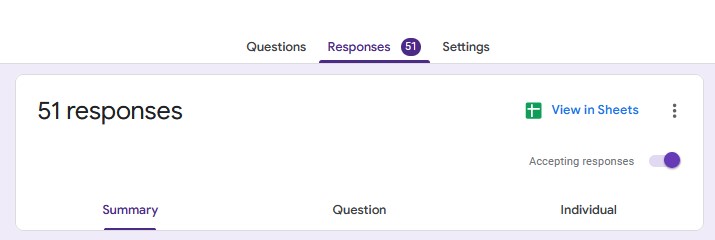
I used a survey made through google forms and spread it around a lot of people I know. The results
gathered are from 51 people.
Summary
The analysis showed that potential clients mainly use location-specific and event-related terms to
search for photographers. On the photography portfolio website, the most important elements are:
Portfolio
Pricing/Terms of Service
Reviews
Contact Information
Web Design
Availability/Calendar
About Me
The top three communication preferences are email, chat, and phone. Suggestions for improvement
include adding a search/filter option, stating video capabilities, listing attended events,
including a blog with tips, describing locations without travel fees, and creating a slideshow/video
on the front page. These insights will help optimize the website to better meet clients' needs.
I recently decided to quit my job and spend more time on the thing I want to do, which is
photography. That means that I must practice more doing it with clients, so I learn to work with
them and so I can charge them an amount.
Goal
Expose and promote myself, and learn how to work with clients, so I can turn it into a career.
Method
Go around events, take photos, and send them to the event organizer. When the events require a
ticket, message the event organizer with a proposal for free photos in exchange for a ticket.
What I Did
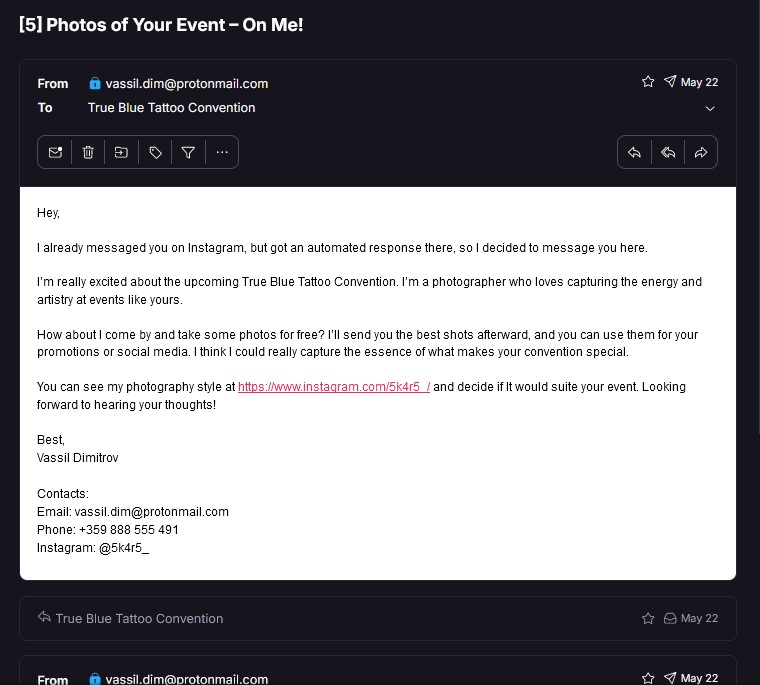
I went to some free events and took pictures from them. Then I messaged the event organisers, and
band members (there were concerts), sending them some of my photos, with this email:
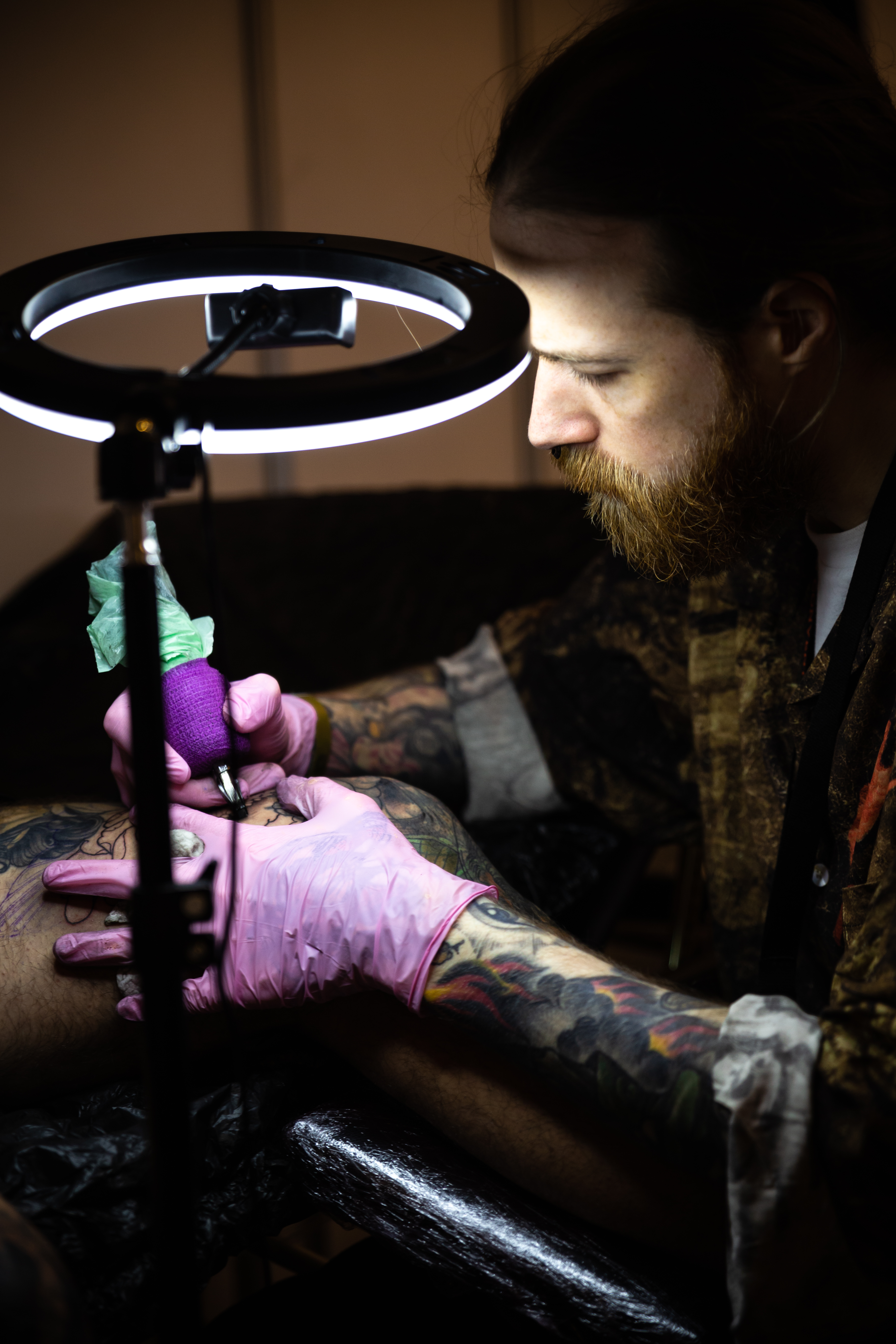
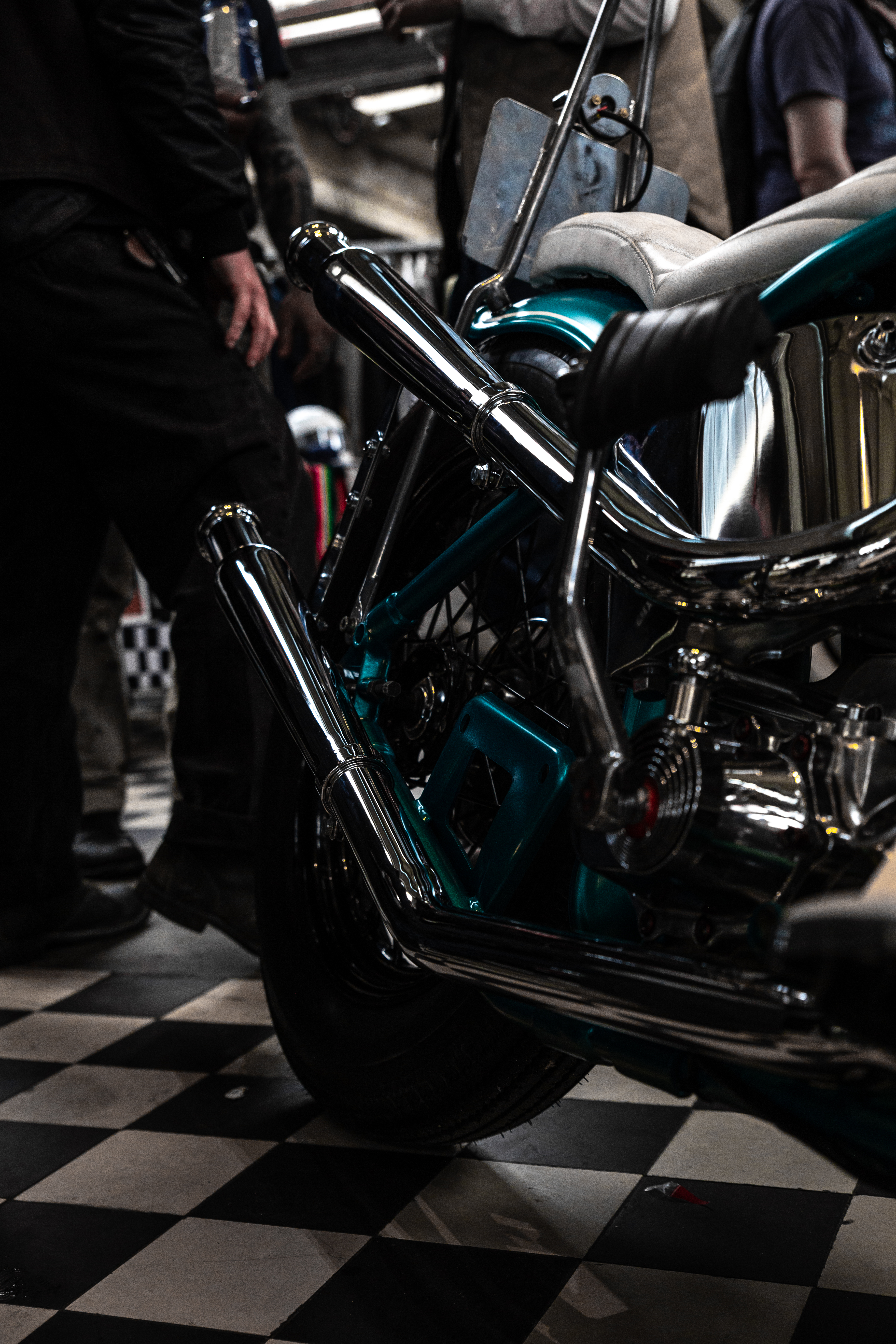
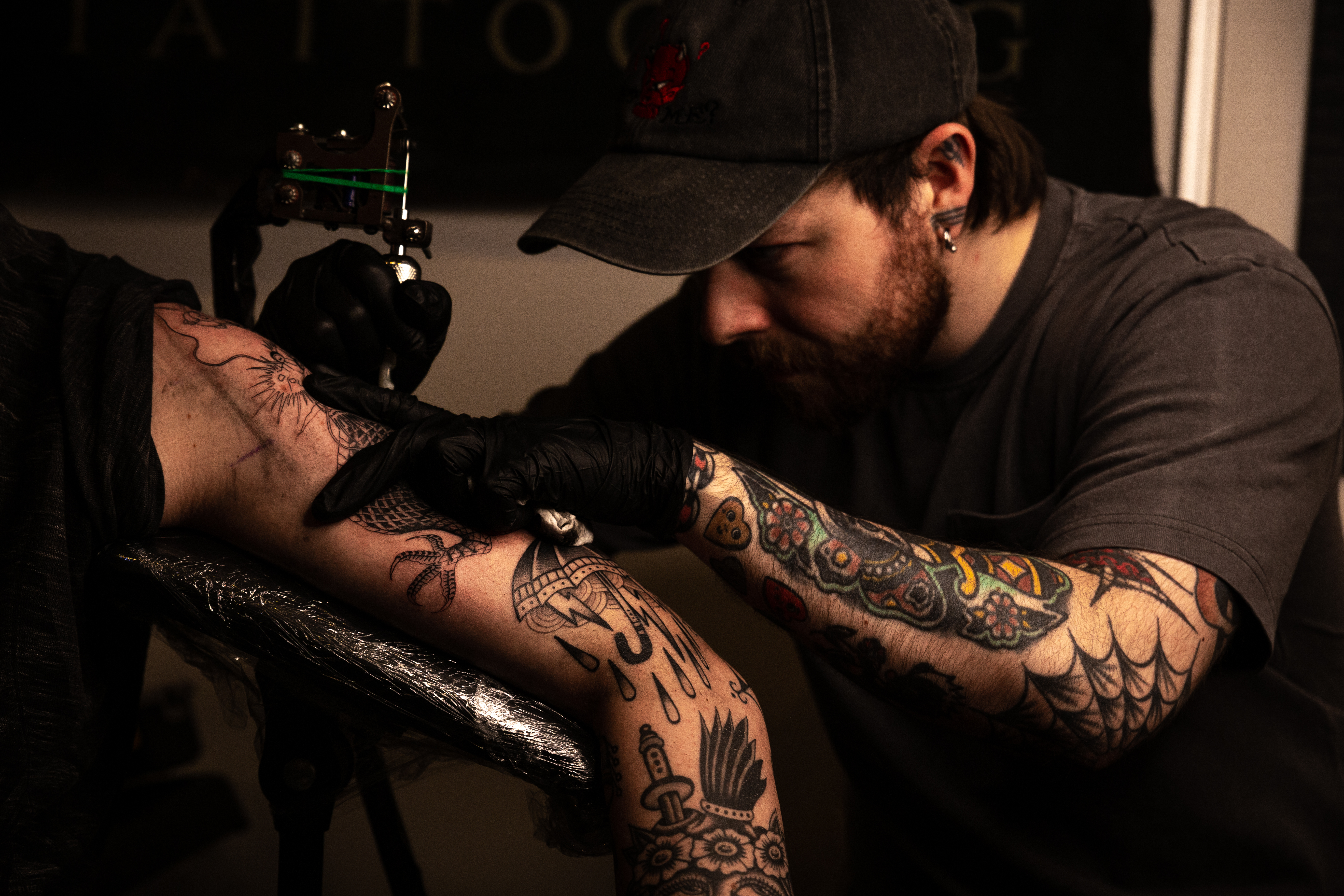
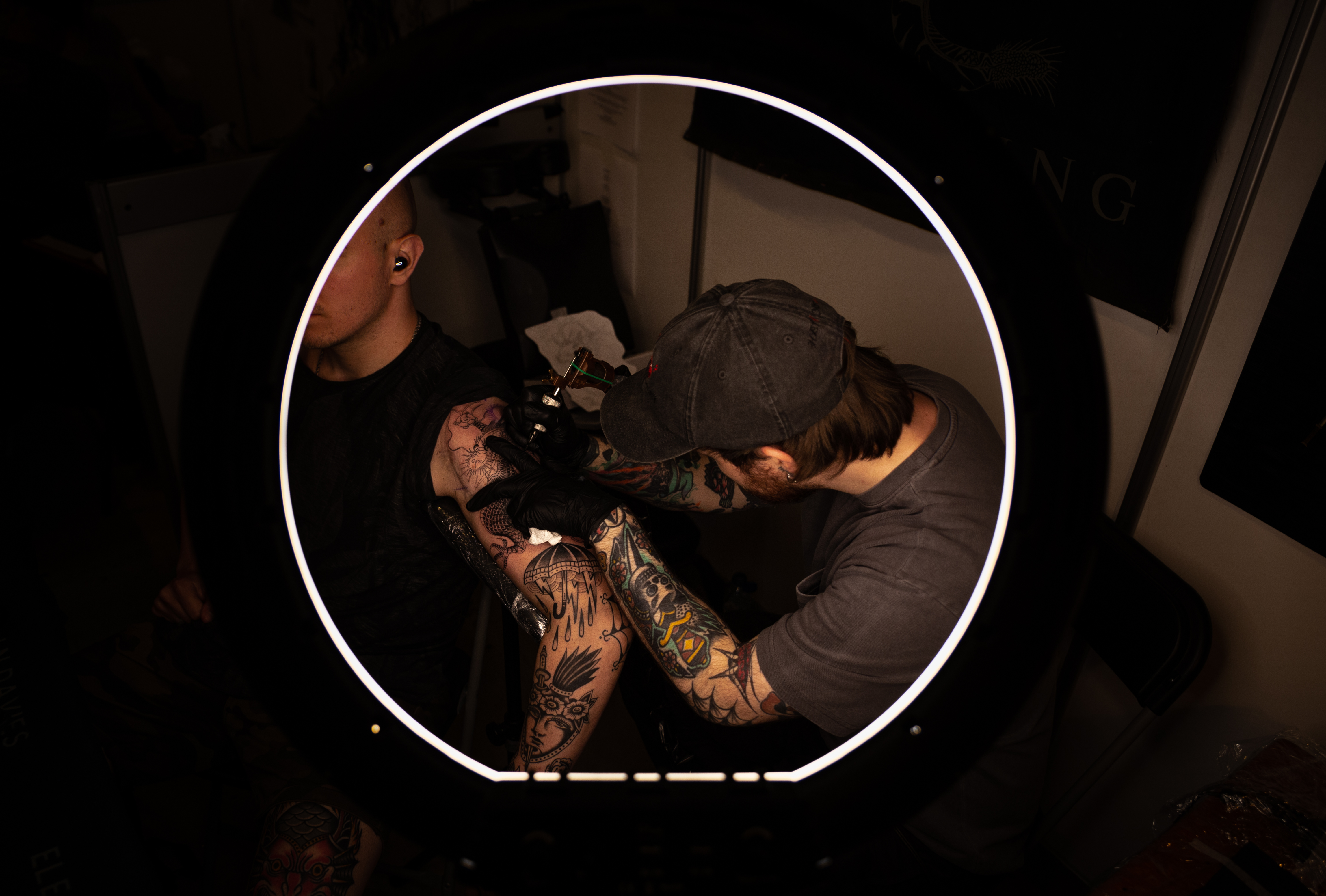
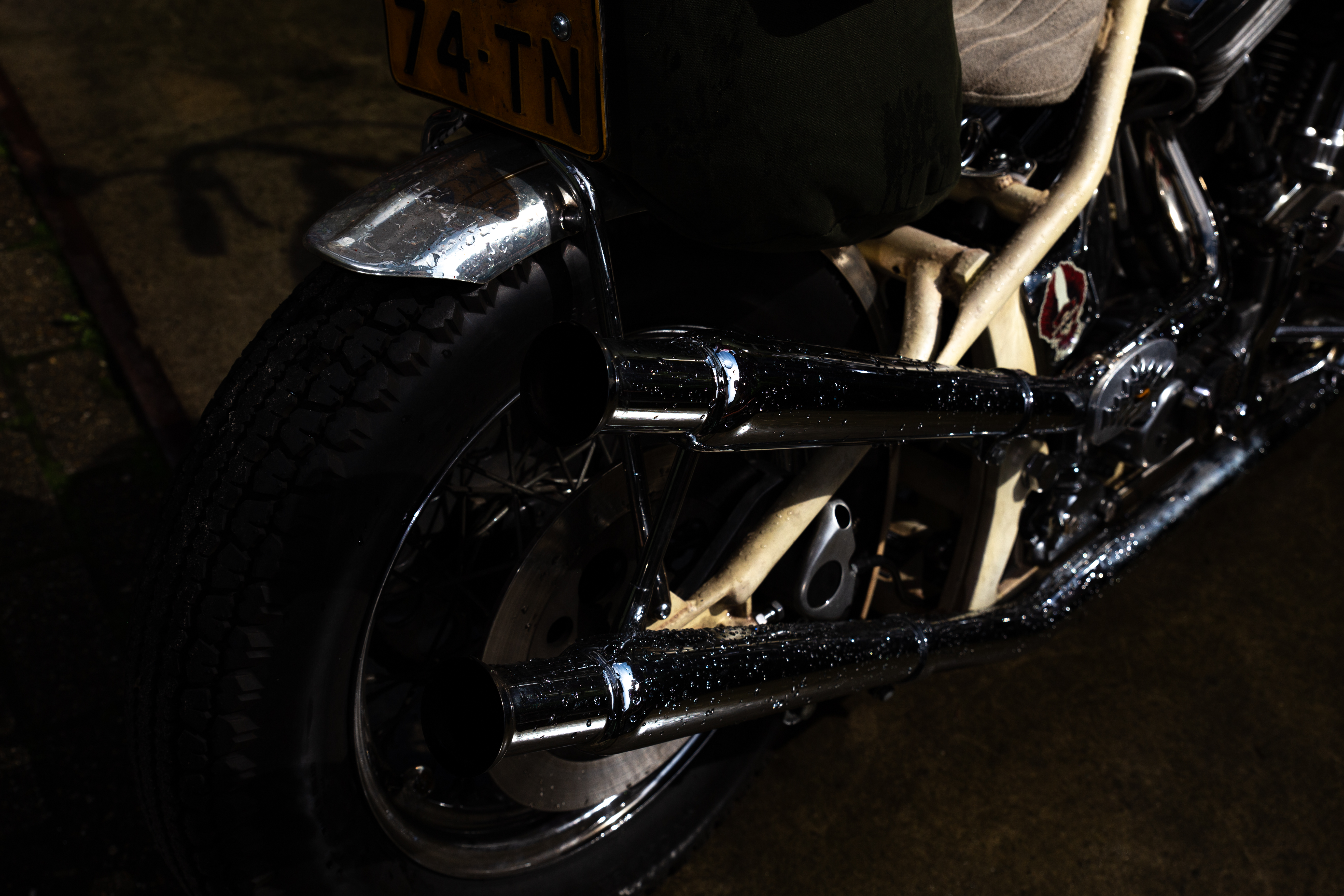
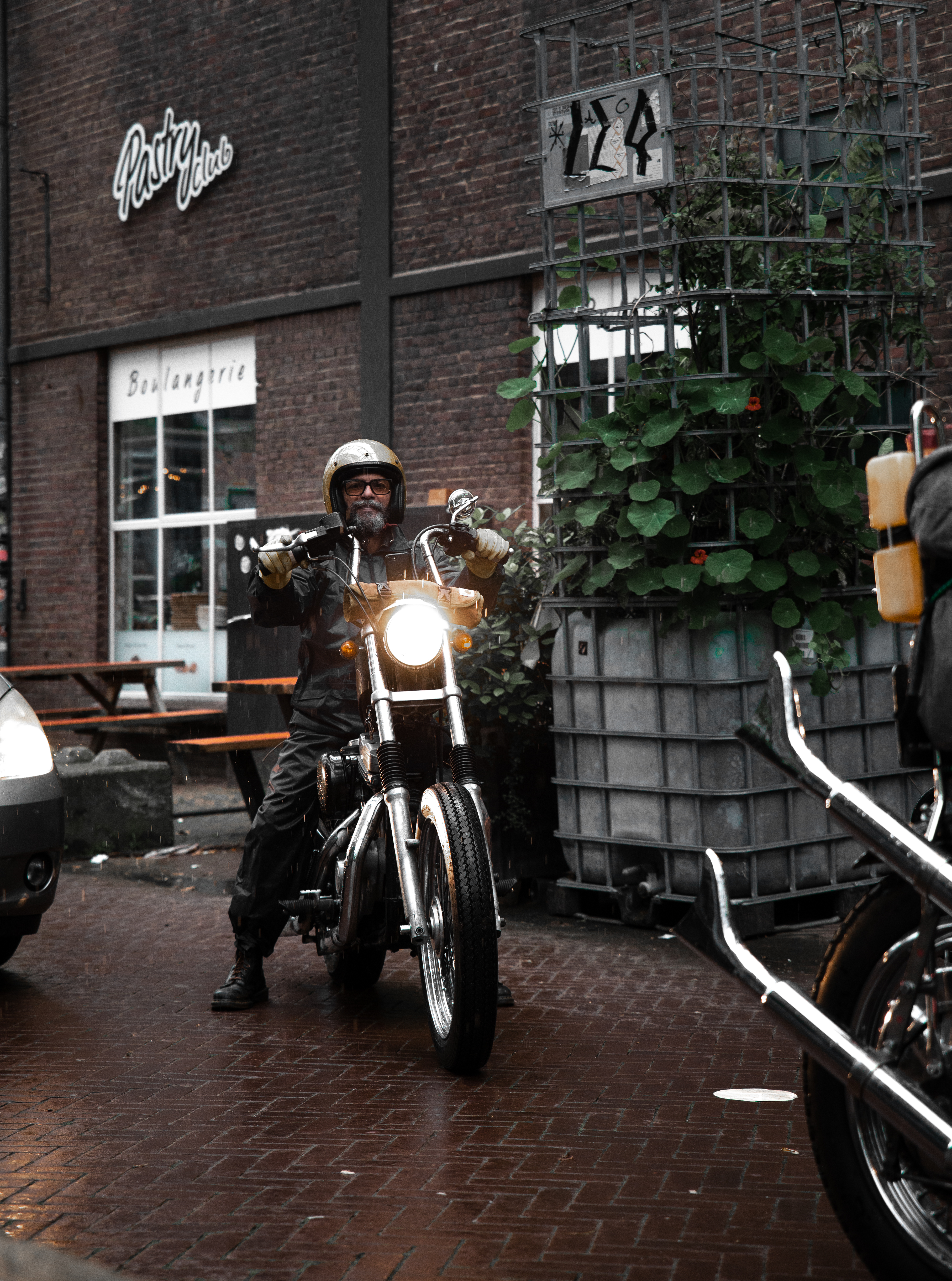
Afterwards I contacted some other events, and two out of 4 organizers, accepted my offer and sent me
tickets for their events. One of them was a tattoo convention, and the other one – a motorcycle
event. Here are some of the pictures from there (I have permission for their usage).
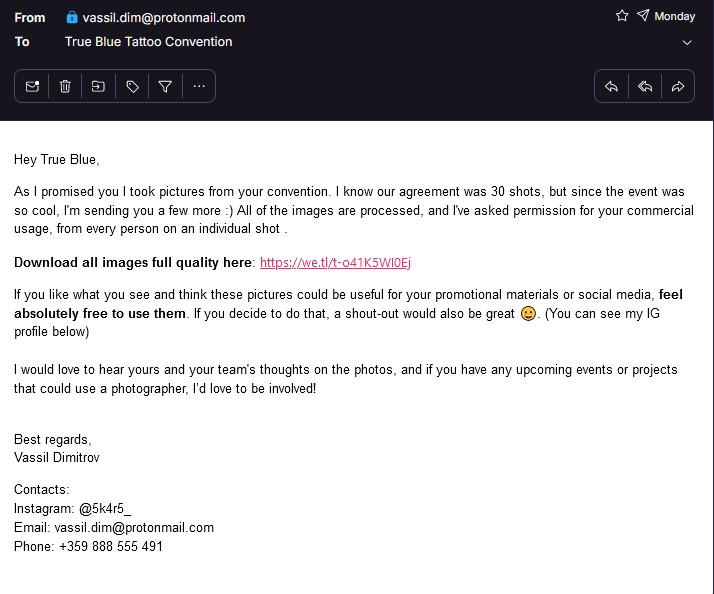
Here you can also see the email I sent them afterward, with the intention to convert them to future
leeds.
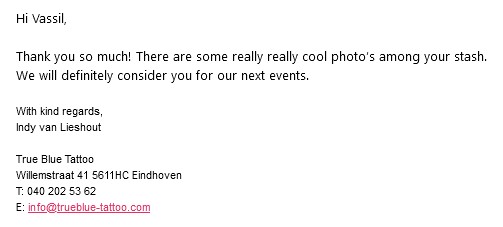
Afterwards I got some responses and nice feedback. Damn it feels good.
Photography Management and Feedback
Gathering Feedback
I made a google form for one of my
photoshoots, with the goal of finding my
mistakes and what can I improve. In the beginning of the document, I kindly ask the client to be as
honest as he can be, and that I won’t take any offence from his response. The survey basically asks
the
user:
If he felt uncomfortable.
What was the biggest struggle for him in the process.
Are there things that he/she doesn’t like in his/her photos.
And what would he change about the photoshoot.
I got surprisingly good result, as people said that they enjoyed the experience a lot, that I made
them
feel comfortable, and that they love the pictures. Some even mentioned that the photos remind them
of
the fun moments from the photoshoot, which makes me like…… AAH. That’s just the best thing I can
hear.
From now I plan to translate this survey and send it to other people after photoshoots as well, since
I
believe I can get good insights from it.
Delivering Photos
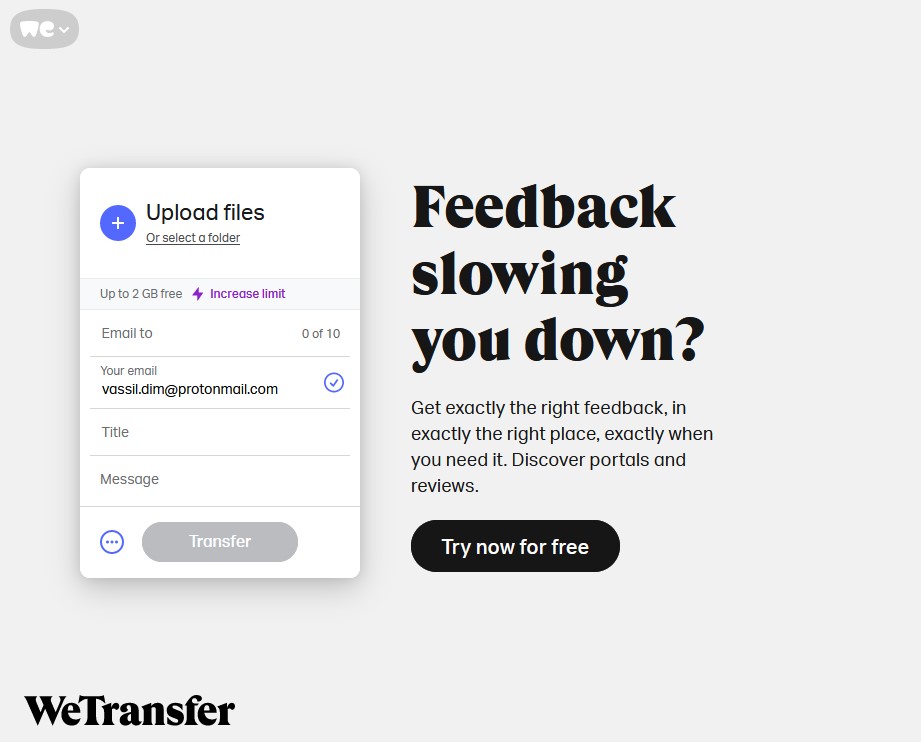
Usually, when I deliver photos to a client, I do it through weTransfer.
The reasons are:
• It’s free under 2 GB.
• It tells you weather and when the user downloads them.
• You can present them in a nice way with an email or a message.
• It’s easy and fast to use.
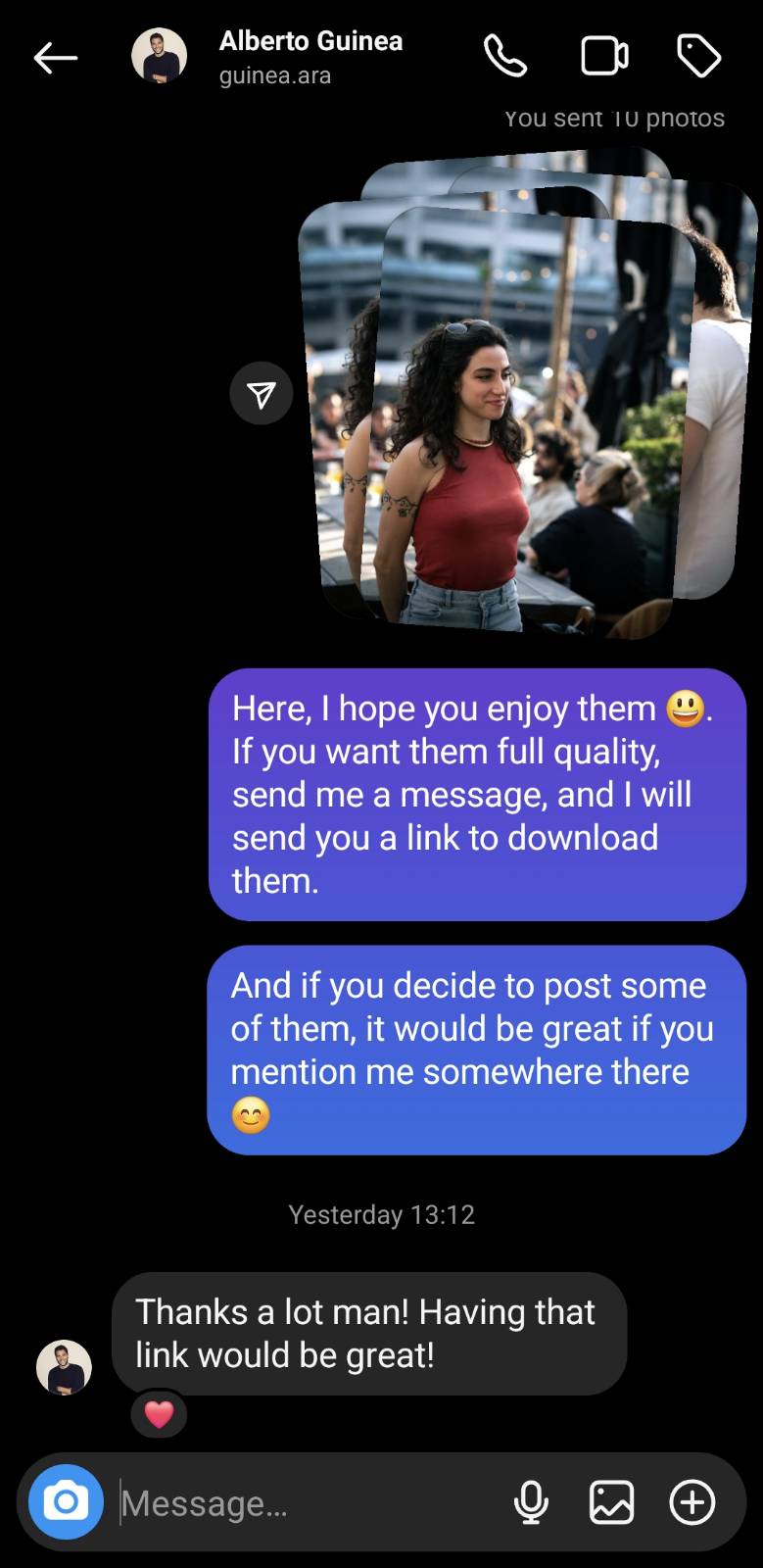
Sometimes, when it is not a client, but a random person I’ve shot, I send the pics via chat, and then
offer a link if they want them full quality. That’s because most people don’t want to go through a
lot
of steps to get some photos. That way they can easily see them, and if they like them, they can
receive
a link with the full quality images.
When I do send them this link, I make sure to always include their name in the weTransfer title, and
write a nice message, that will cheer them up.
Marketing Campaign Research
Introduction
The project is about making a media campaign, that targets potential Fontys students, that has to
solve
the problem of them not being aware of the profile choice they have.
Goal
Increase profile awareness and clarity. Find a way to inform future students about the study choice
they
have.
Questions
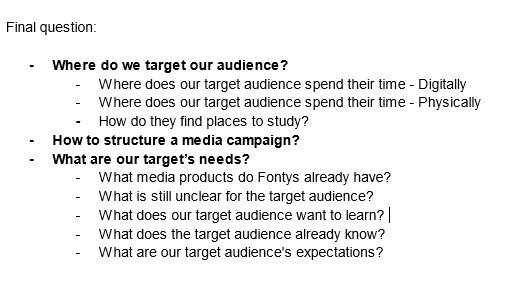
We came up with 3 main questions, and some sub questions for 2 of them. Here they are:
What is a media campaign and how do you structure one?
Where do we target our audience?
Where do they spend time digitally?
Where do they spend time physically?
How do they find places to study?
What does our target need?
What is unclear to the target?
What does our target want to learn?
What are our target’s expectations?
What media products does Fontys already offer?
Method
Having our problem in mind, we chose to look in the Field section of CMD
methods
for the second and third
question, and for the first one - Library. To find more diverse answers, for the second and
third
question, we decided to conduct both interviews and a survey.
Research
Me and Andrey were responsible for doing interviews, so I created a interview structure, and
together
we
conducted 18 interviews in total on Fontys students, asking them about their experiences,
coming
to
this
University. You can see the summarized results in this
document.
After all of us were done, we gathered up, combined the results of the interviews and survey, and
concluded
the research. I made sure to then document it in a research paper, that you can see and download
below.
Conclusions:
Most students spend their time at school, home and social settings like the city center. Digitally:
mostly
Instagram, TikTok, and Youtube.
Nearly half of the participants lacked clarity about the profiles and need a more cleared up
communication.
Students expect a focus on coding and ICT skills when they come here.
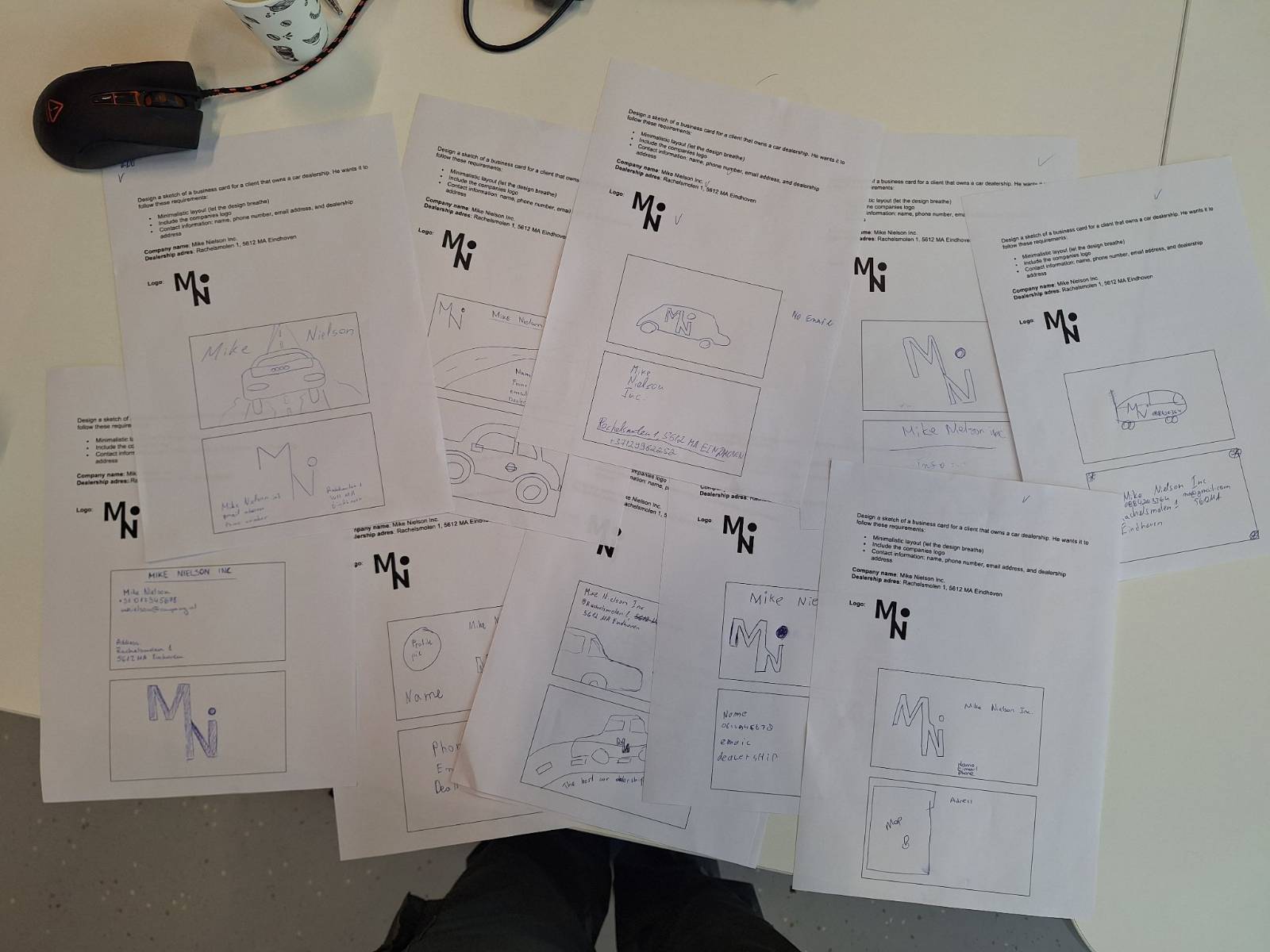
We designed a short game for Fontys' Open Day to help potential students understand study profiles
better.
Each profile has 3 mini-games related to its subjects. For example, in the Media Design profile,
players
create a business card for a car dealership. I discuss the testing of this mini-game to identify any
flaws
and present our findings.
Goal
Increase profile awareness and clarity. Find a way to inform future students about the study choice
they
have.
Method
We used the DOT research framework and conducted usability testing from the
lab
field to identify and fix design
problems. To encourage participation, we offered participants a free Snickers or Mars snack upon
completion,
making them interested and happy about their interaction with us.
Research
We printed the task on a sheets of paper, and gave participants a pen. They had to complete the task
given to
them, without asking for any help.
We did 12 test games in total, and the results I concluded are the following:
People don’t know what phone number and email to fill in, since one isn’t given.
People sometimes don’t understand that the two squares on the paper represent the front and the
back
side of the card.
They don’t know if they have to fill in both sides of the card.
They don’t pay enough attention to the requirements.
Sometimes they don’t notice the business card is for a car dealership.
Conclusions
Having this information in mind I understand that we must:
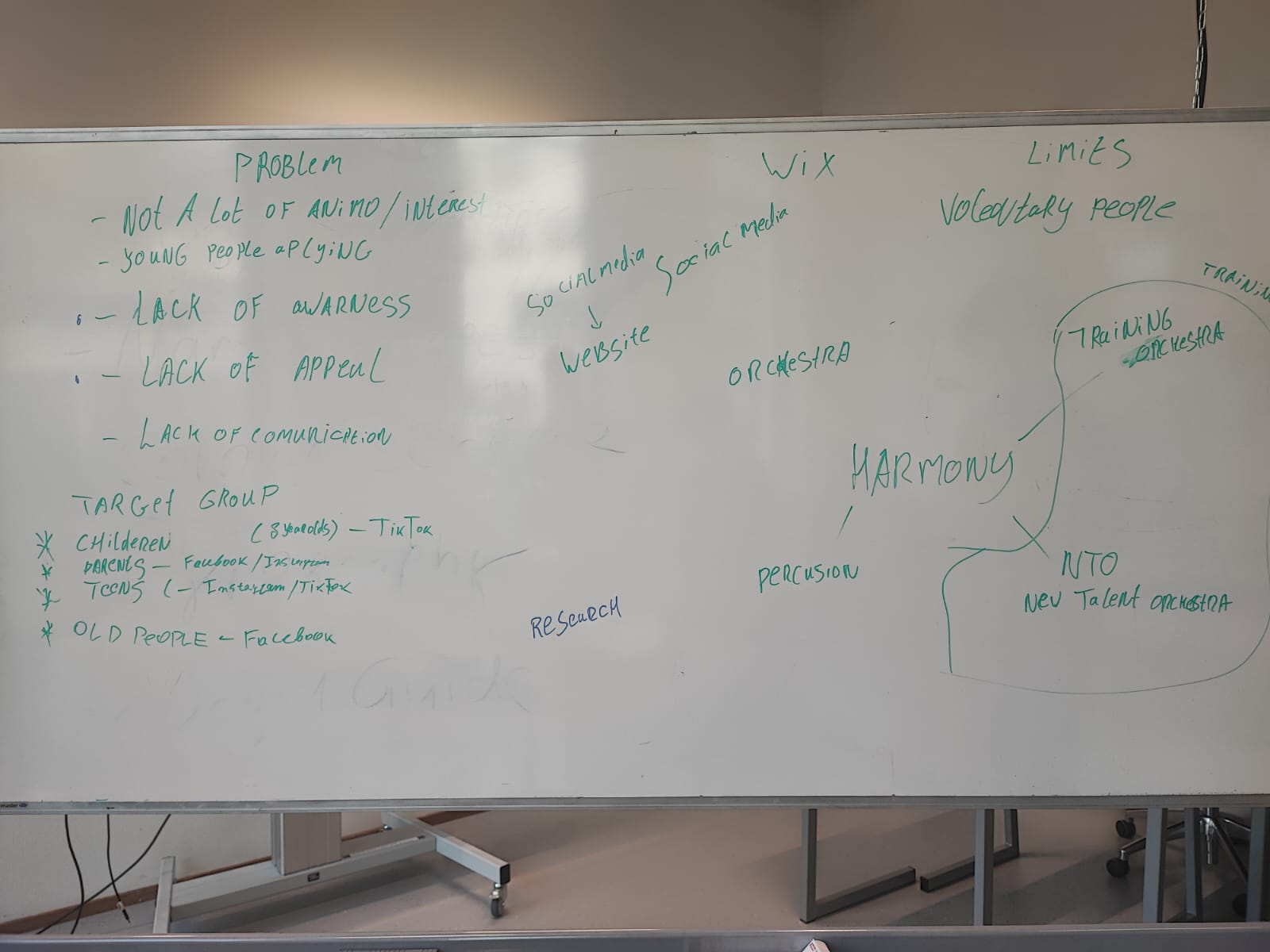
With the first group project started, I grabbed a whiteboard and spoke with my team, so we can get
all
the
information we know there. After that we talked about what we want to keep, and to ditch, and wrote
down
our
target and deliverables.
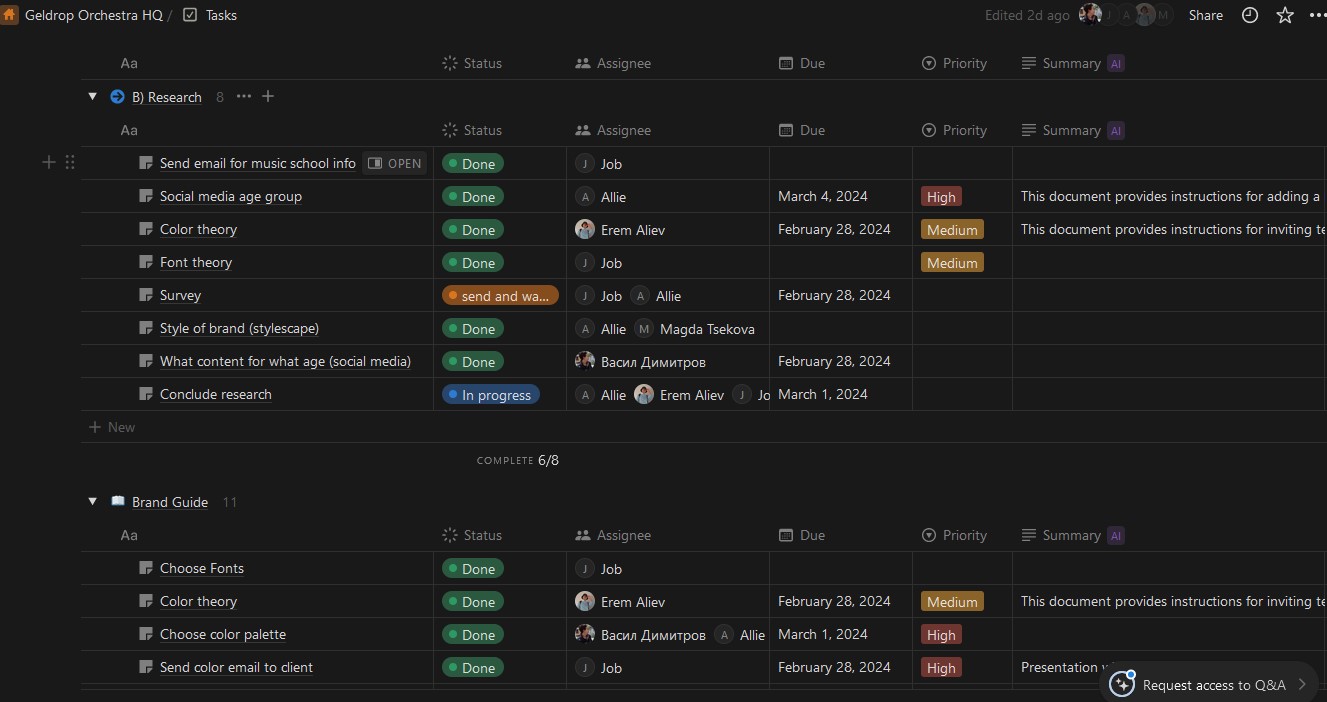
Alicia made a notion document, where we would keep our tasks, and I then created the structure of
tasks
for
each deliverable. We would then have to write down what we have done there, so the team is aware of
it’s
state.
I also suggested to conduct a 10 minute gather up each morning, so we see what must be done and
divide
the
tasks accordingly. That was taken as a good idea, but it never actually happened properly in my
opinion.
Later, I was constantly filling up the tasks in notion on behalf of everybody else, in order to keep
track of
our process, because they just didn’t remember to.
Interior Designer Marketing Plan
Brand Building
In order to achieve the goals of the designer, we first had to create a brand. To do that I created a
short PowerPoint presentation (see here), consisting of the information
that we need to
have to create a brand, so when we fill it up we have most of the brand information in one place.
The way we work for now, is that we make a call, go trough the different parts of the presentation,
and
then together we fill it up. I usually have prepared some suggestions before that, which she can
choose
from, so It is easier, and then we just adjust them to her likings.
Personal Notetaking
Introduction
In the middle of semester two, I noticed there was a big lack of organization of my notes, so I
decided
to change that. I remembered the app I used in my previous workplace, which was Obsidian, and I
chose to
use it again for the linking that it provides.
My Note System
The reason I chose Obsidian is because it utilizes a linking system which is very handy. That linking
system allows me to create categories, while I’m making different notes, other than predefining
folders,
which I then don’t know where to put a note in. I can also link one note to two different
categories.
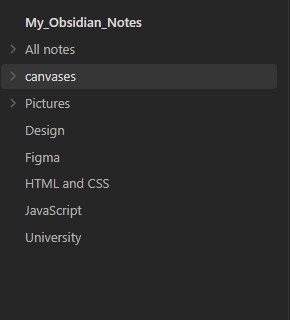
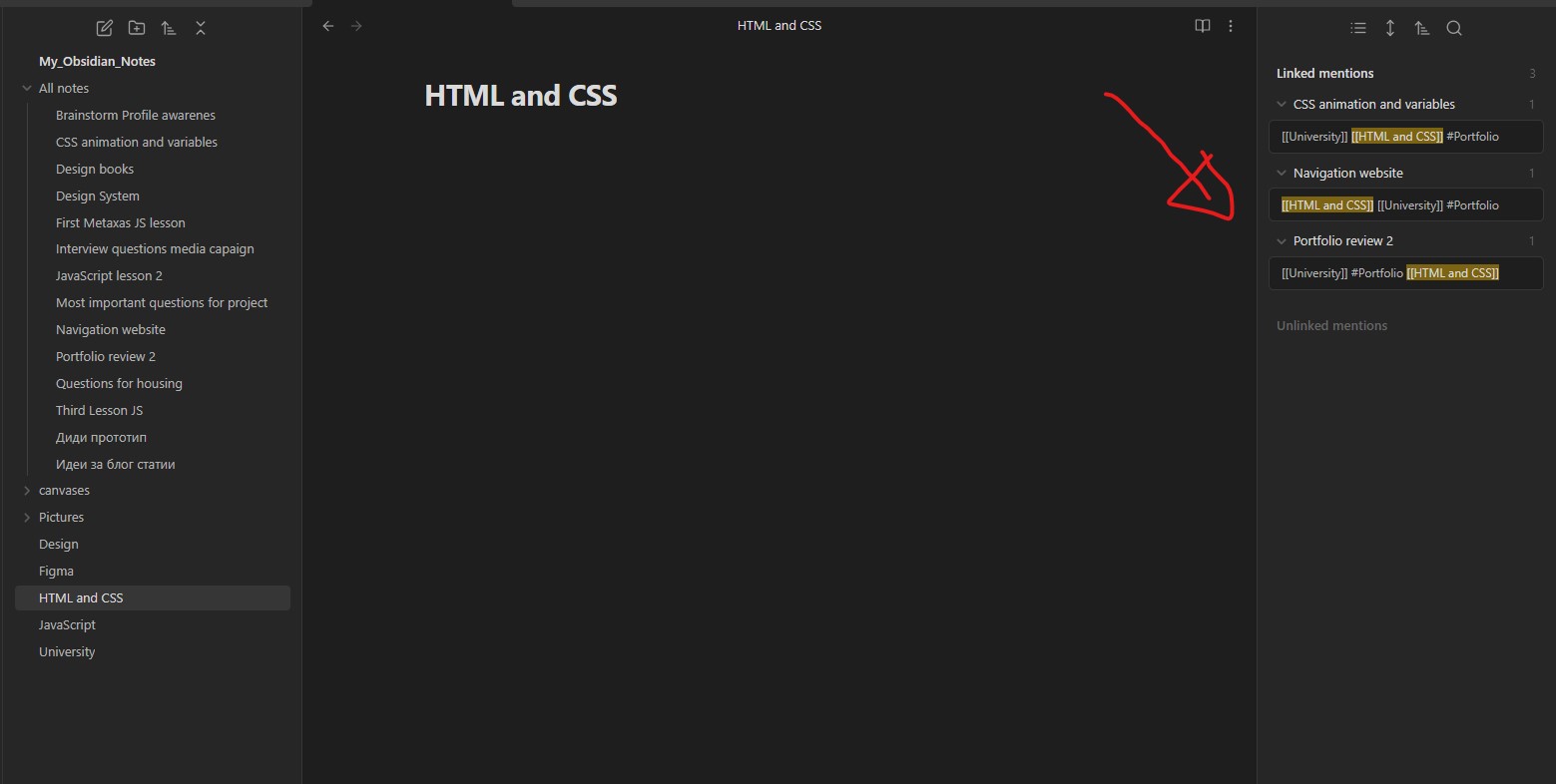
How does that work? As you can see below, I have 3 different folders, and then notes, which are out
of
the folders.
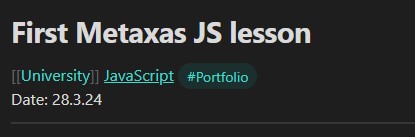
The notes that are out of folders are my categories, and every note that I write I store in
“All
notes”.
When I create a new one I then do 2 thing: link it to categories that are relevant, and put the date
that it
was created on.
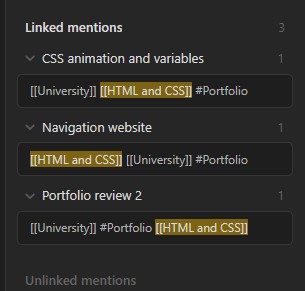
When I do that I can see each link that a page has on the side. So, if I want to read notes, related
to
HTML and CSS, I go to that note and look at the links it has.
From there I just navigate to the note that I need.
This is how I structure my notes and keep track of what I’ve done.
Second Group Project Management
General Management
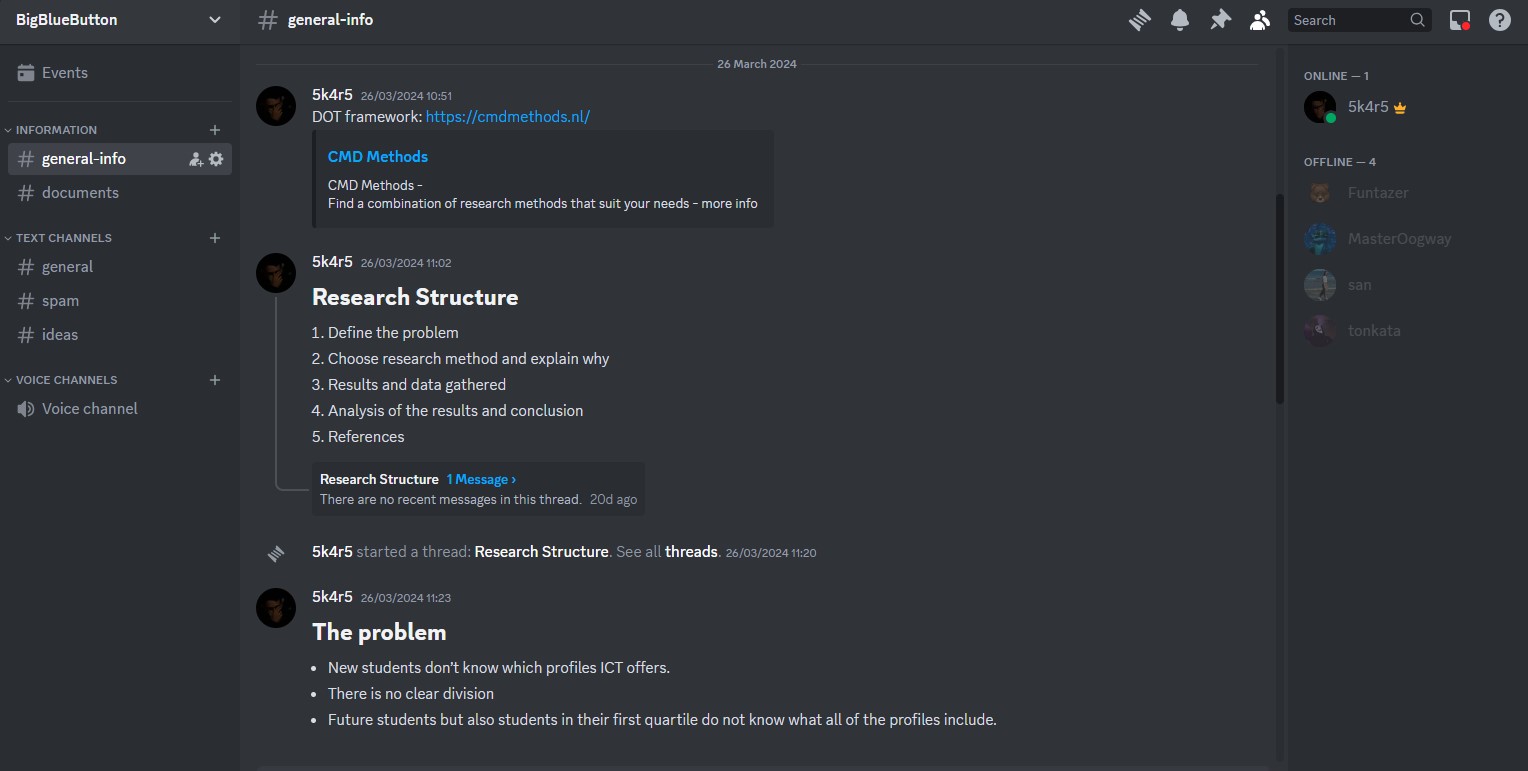
When the second group project started, I created a discord group with different channels to put the
information into.
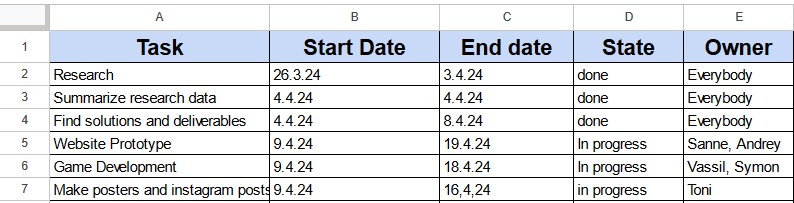
I also created a short google spreadsheet where we would have the tasks, we must complete, the end
dates
for it, the state it has, and the owner of it. That way we can keep track of errors we have and the
overall progress.
Research Phase
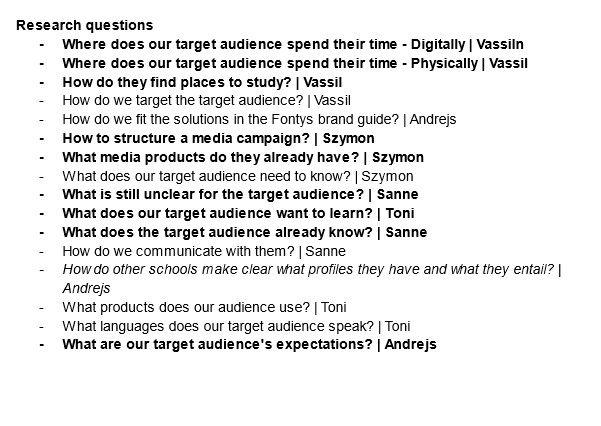
At the beginning of our research project, we had to define a way to structure our research after it’s
completion, so I made a short description of a research document in discord, and created a word
template, that everybody can follow afterwards, so we have one research structure in the end. (see here)
When we started with our planning, I fucked up and mislead my group, because I didn’t understand the
research task provided in canvas correctly, and because of that we made 3 research questions or more
for
every person in the group to do separately. Later I understood that this was not the case, so I
informed
them, and we picked the most important questions, and divided them by teams.
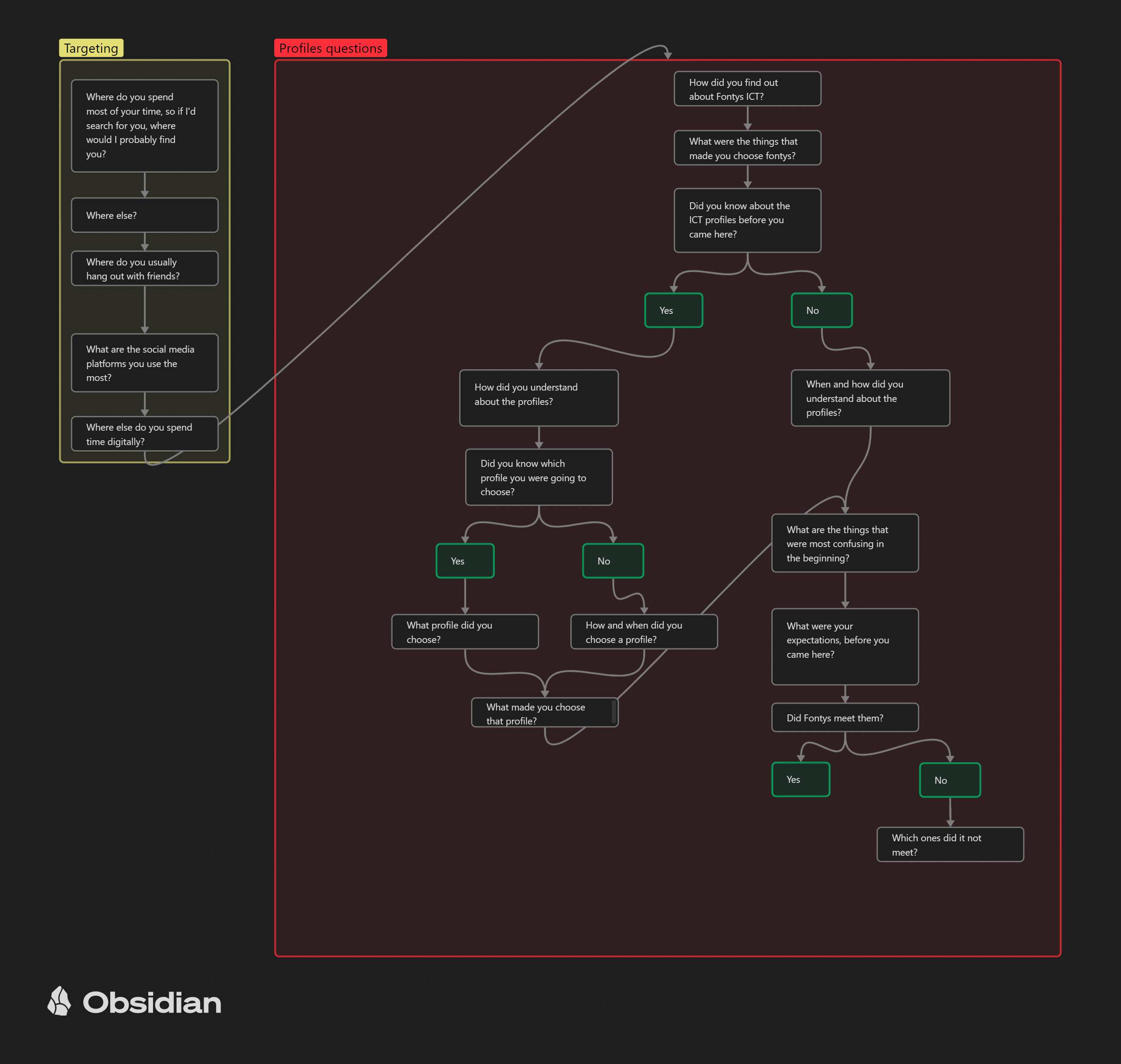
Our team consisted of me and Andrey, and we were going to make interviews to answer the questions
above.
I made the interview structure in a flowchart like way, following the questions that we had to
answer.
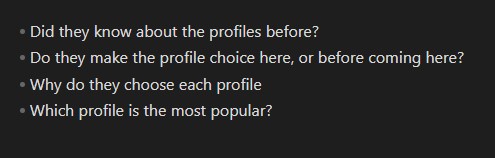
While creating the interview, some followup questions popped up:
Then we gathered up as a group, and presented all of the present information on a whiteboard, so we
could
do with it. To see more about the research and the results of it check this article
Comming up with Ideas
Afterwards, when we were done with our research, we gathered up, collected all of the results and
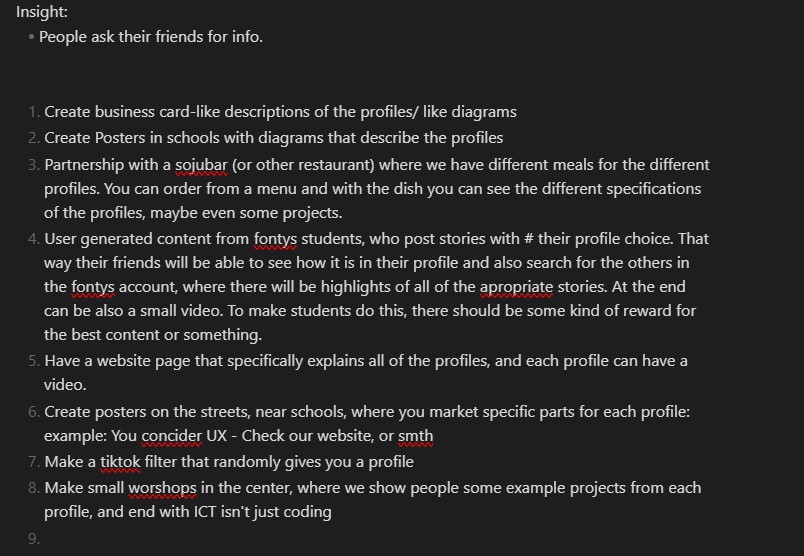
insights on a whiteboard, and I suggested that we have 15-20 minutes to come up with at least 10
ideas
individually. That way we can get better, non-biased results, and better ideas. My Idea was taken
good,
so that’s what we did, and then we wrote down all of our Ideas.
My ideas
After combining a few of them, and getting rid of most of them, we then had our deliverables, that we
were going to present on the Monday after.
Presentation
Here lays my other mistake. We agreed that me and Andrey will present, instead of the whole group,
which,
by itself, was a great Idea.
We made a short presentation template as a group, and when I got home, I started going through it and
doing my part, and then gave the rest to Andrey. I didn’t think of the quantity I gave him though,
and I
got most of the presentation, while he was left only with the ending, which wasn’t very nice,
because
most of the presentation, he was standing awkwardly, and didn’t know what to do. After the
presentation
we discussed it, and I took note to be careful next time